


Explore the Area
 Maitland Market Cafe & DeliRestaurants
- Standard ProcessGroceries
 StarbucksCafes
- N. C. Cranio-FacialShopping
- USTAArts and Entertainment
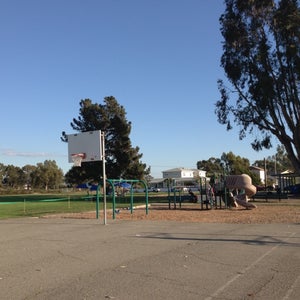 Godfrey ParkFitness
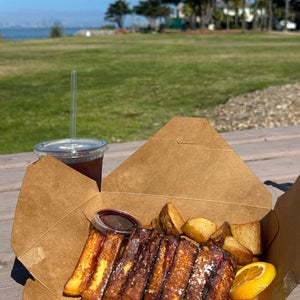 Cafe Jolie PetitRestaurants
- Niman RanchGroceries
 VF Outdoor CafeCafes
- Samantha S LieuShopping
 Danny Soogian Productions IncArts and Entertainment
- Harrison ParkFitness
 Semifreddis CorporateRestaurants
 Wall St CafeCafes
- Peters Sharon Lampworked GlassShopping
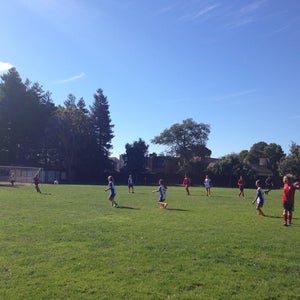 Doc Harrington ParkFitness
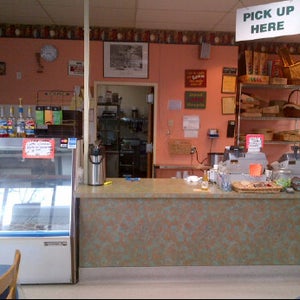 Cafe Ya'souRestaurants
- Lucy ActivewearShopping
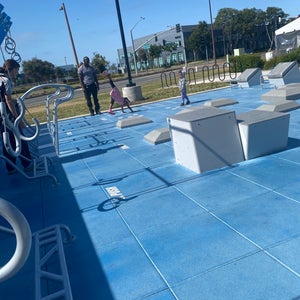 Fitness Center@Hampton InnFitness
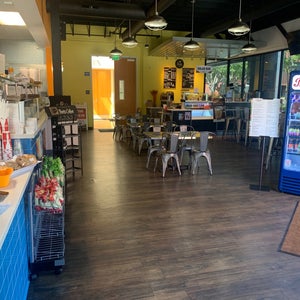 Oscar's GrillRestaurants
- Bayside Builders GroupShopping
 CCS GymFitness
 Yelling Asian Lady's LawnRestaurants
- Abb/Con-Cise Optical GroupShopping
- ProBalance Harbor BayFitness
Amenity information provided by third-party data sources
What Locals Say about Bay Farm Island
At least 19 Trulia users voted on each feature.

96 % Say there are sidewalks

92 % Say parking is easy

88 % Say kids play outside

85 % Say it's dog friendly

83 % Say they plan to stay for at least 5 years

82 % Say it's quiet

79 % Say streets are well-lit

76 % Say car is needed

76 % Say it's walkable to grocery stores

71 % Say there's holiday spirit

70 % Say people would walk alone at night

65 % Say it's walkable to restaurants

61 % Say neighbors are friendly

58 % Say there's wildlife

58 % Say yards are well-kept

38 % Say there are community events
Sourced by Trulia users. Learn more about our methodology.
Schools
Homes in Bay Farm Island
 NEW - 2 DAYS AGO