Bridgeport is a historic neighborhood on Chicago’s South Side.
Chicagoans pour into the neighborhood when the White Sox play in the nearby ballpark.
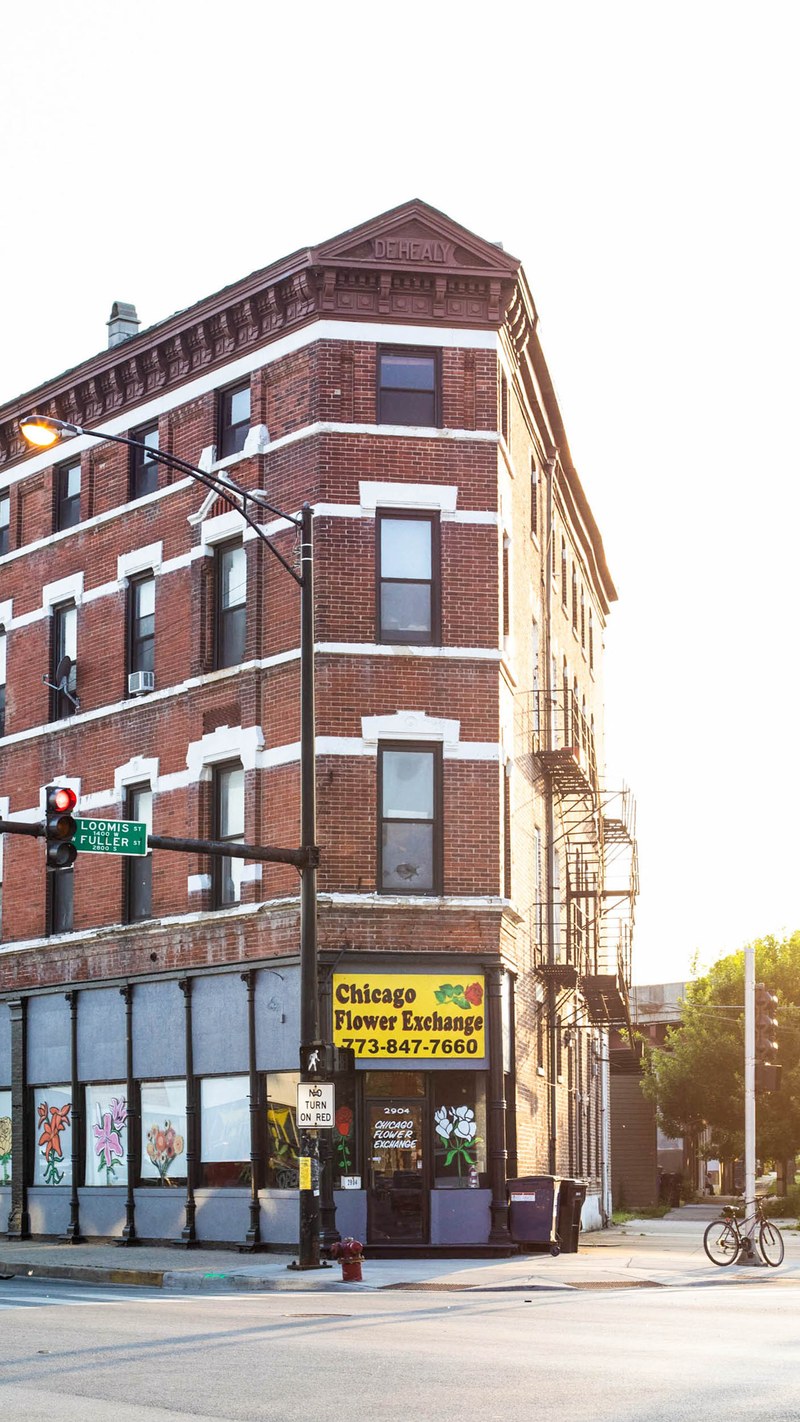
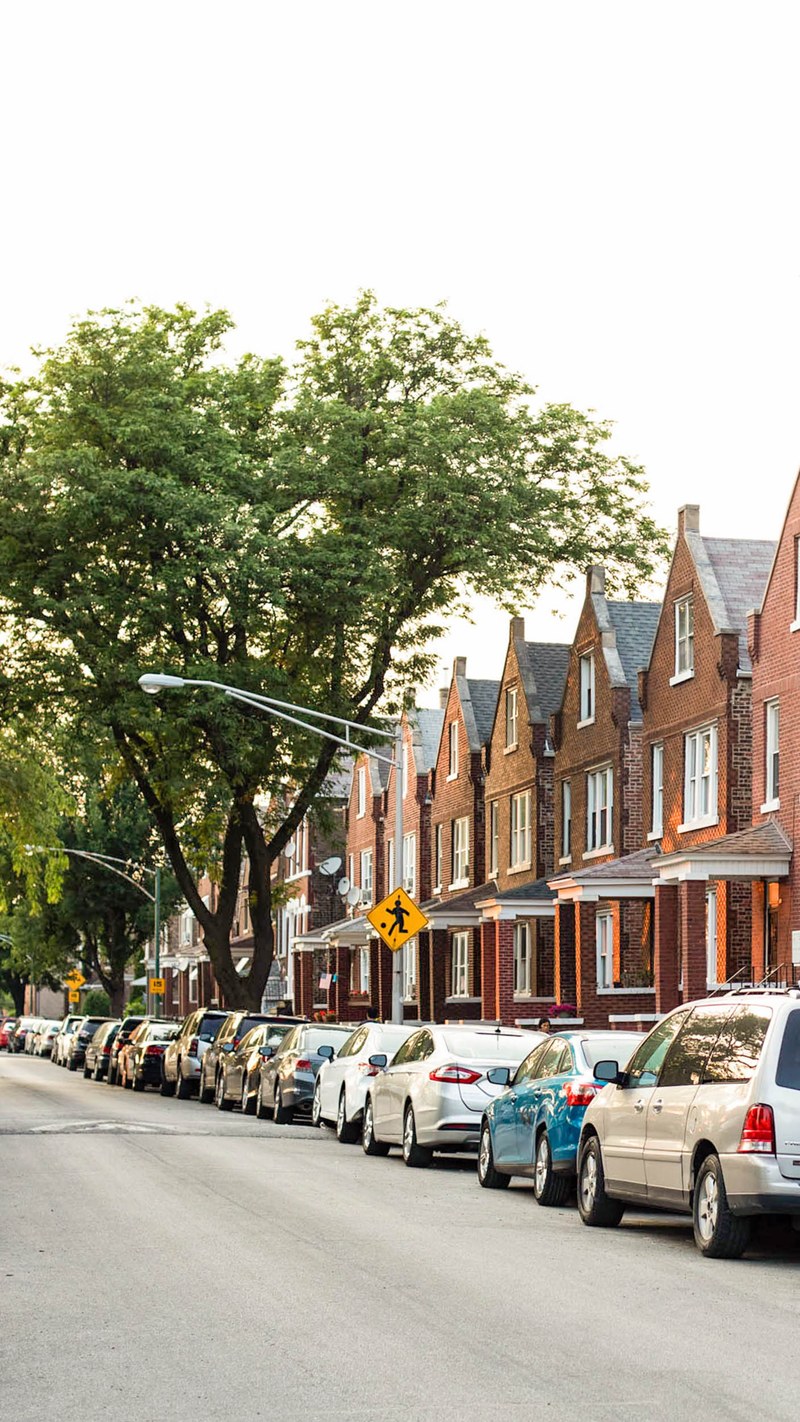
Bridgeport was the city’s first neighborhood, and its historic brick architecture gives it a classic Chicago look.
Once an Irish-American enclave, Bridgeport is now one of the city’s most diverse neighborhoods.
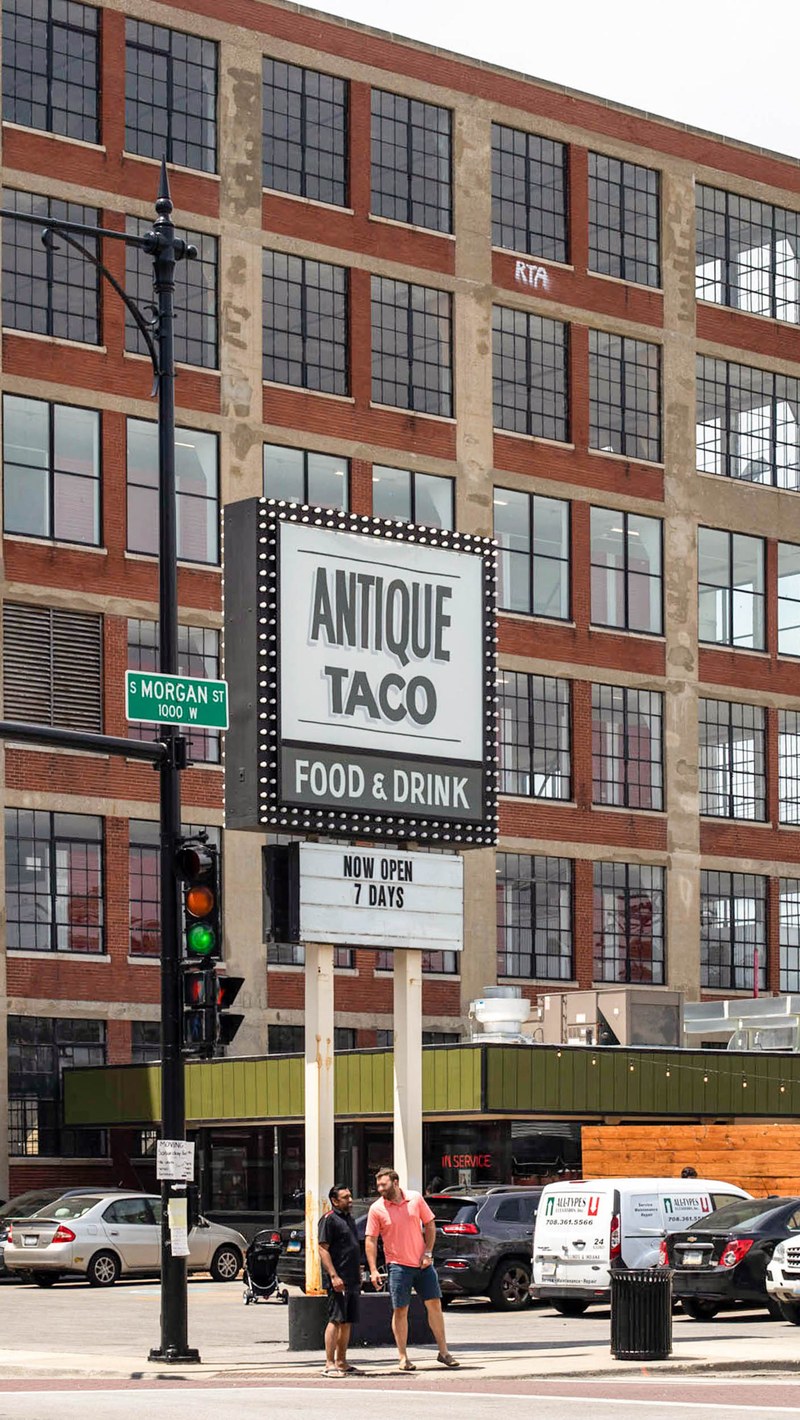
Bridgeport’s former warehouses are being transformed into galleries and art centers, and its gas stations into taco joints.
Friday evening in Bridgeport’s arts district.
Public sculpture on W 35th Street, not far from the 500,000-square-foot Bridgeport Art Center.
A local library branch is named after one of the five Chicago mayors who came from this neighborhood.
Bridgeport’s location about three miles south of the Loop has led to development, such as new townhouses.
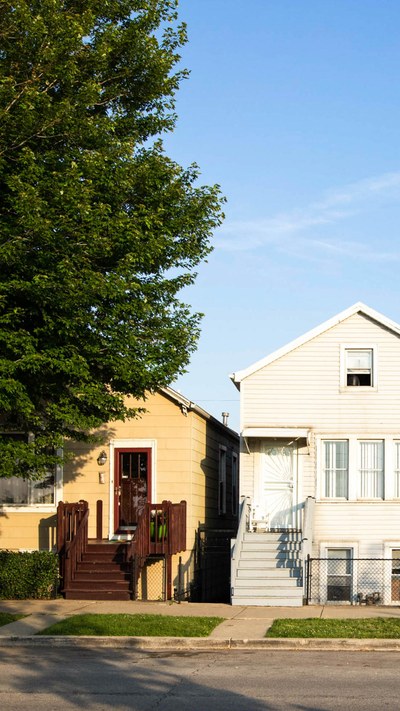
In Bridgeport, single family homes stand side-by-side with low-rise condos and two-flat buildings.
“It has a quiet, suburban feel.” —Jaya V., resident
Along the Chicago River, Bridgeport’s three-acre Park No. 571 holds a sleek boathouse, where yoga classes are sometimes held.
Park No. 571’s boat launch is popular with rowers.
On the other side of the neighborhood, Donovan Park has a basketball court, splash pad, kids programs, and exercise classes for adults.
A new play structure was part of Donovan Park’s 2013 renovation.
Directly south of Chinatown, Bridgeport has several Chinese restaurants that locals seek out.
Several public bus and rail lines connect Bridgeport to the Loop and the rest of the city.
“The commute is quiet, not rushed. I hardly hear any traffic.” —Jaya V., resident
Dusk in Bridgeport’s Bosley Park.