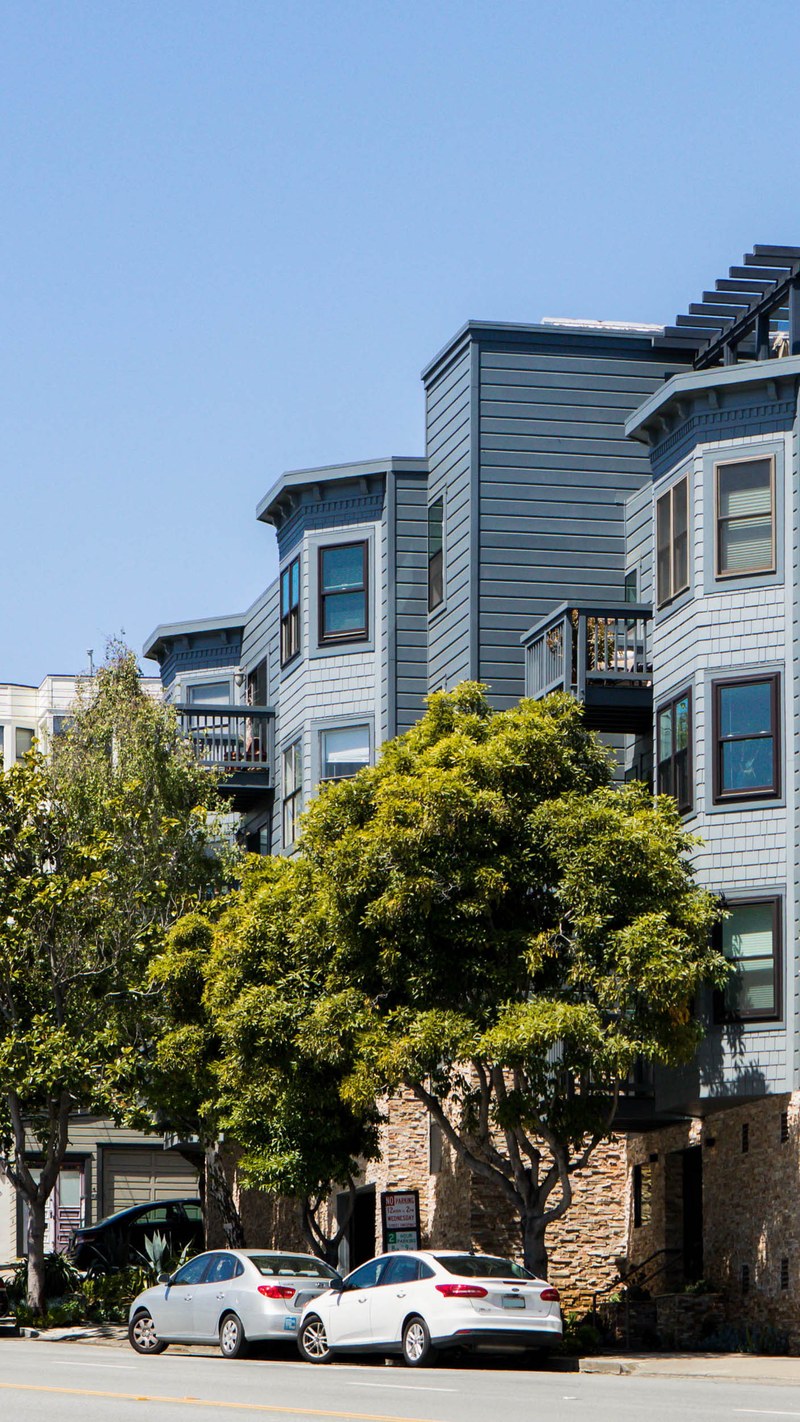
The Castro is a neighborhood three miles from downtown that has been the center of the city’s gay life since the 1970s.
Officially, it’s called Eureka Valley, but very few use that name. To locals, this is the Castro.
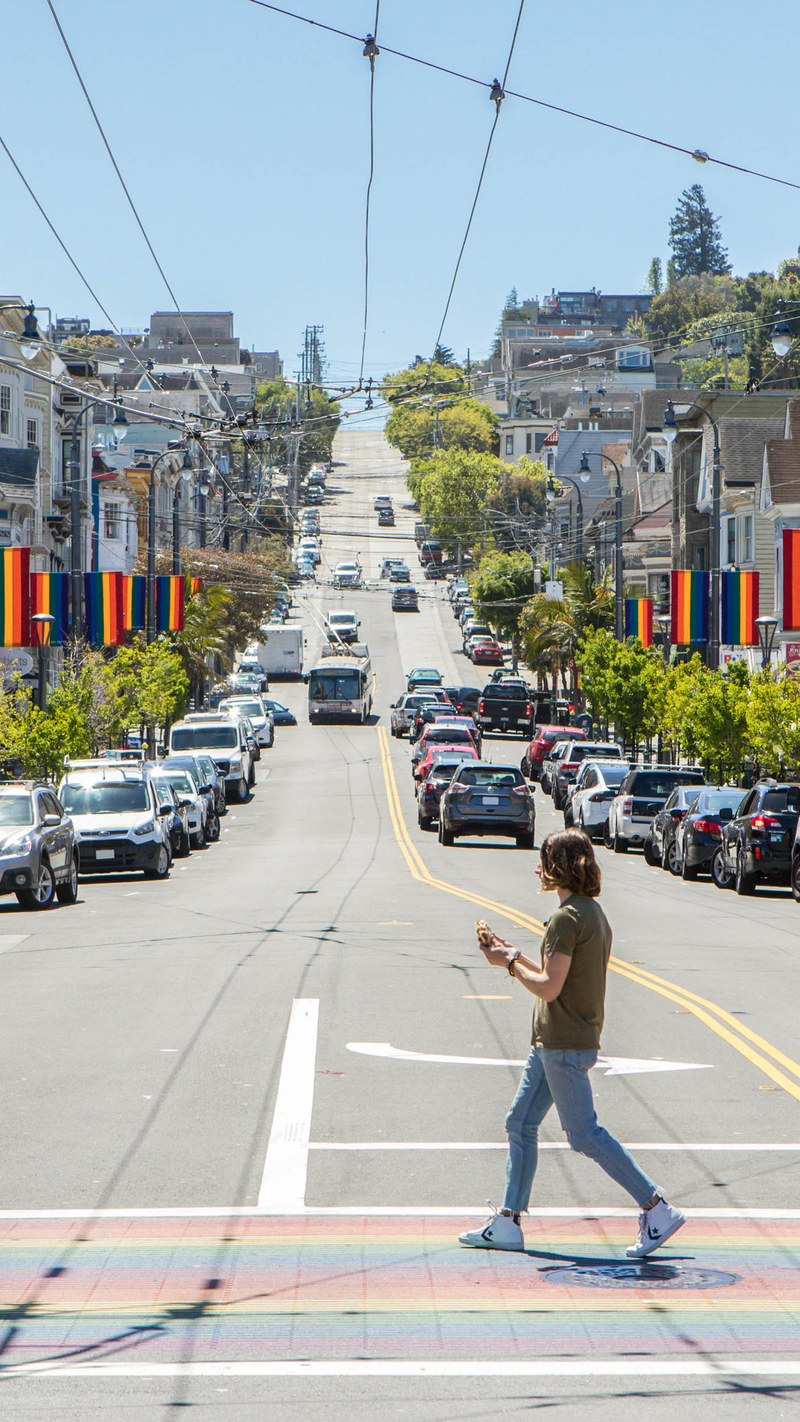
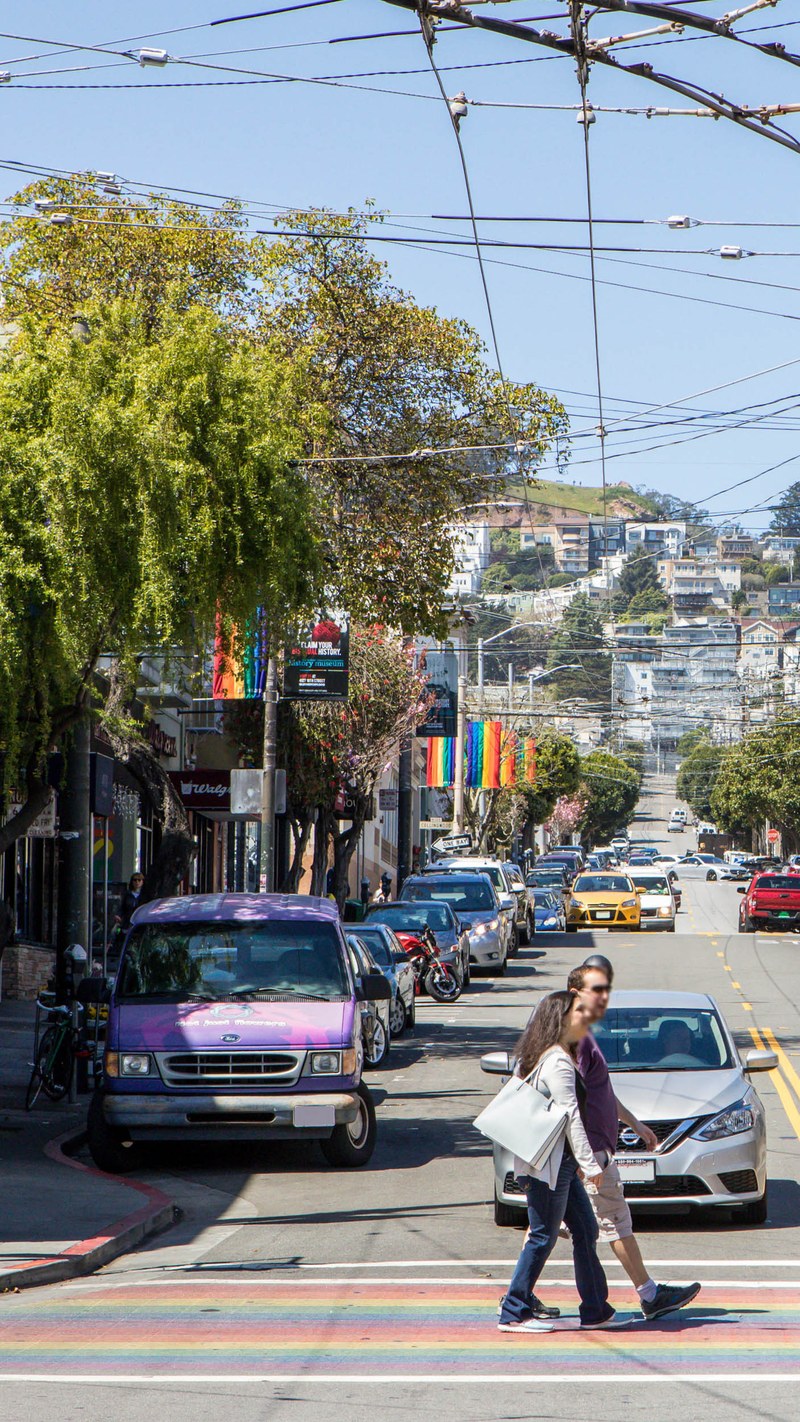
Along Castro and 18th streets, the neighborhood shows its gay pride with rainbow crosswalks and banners.
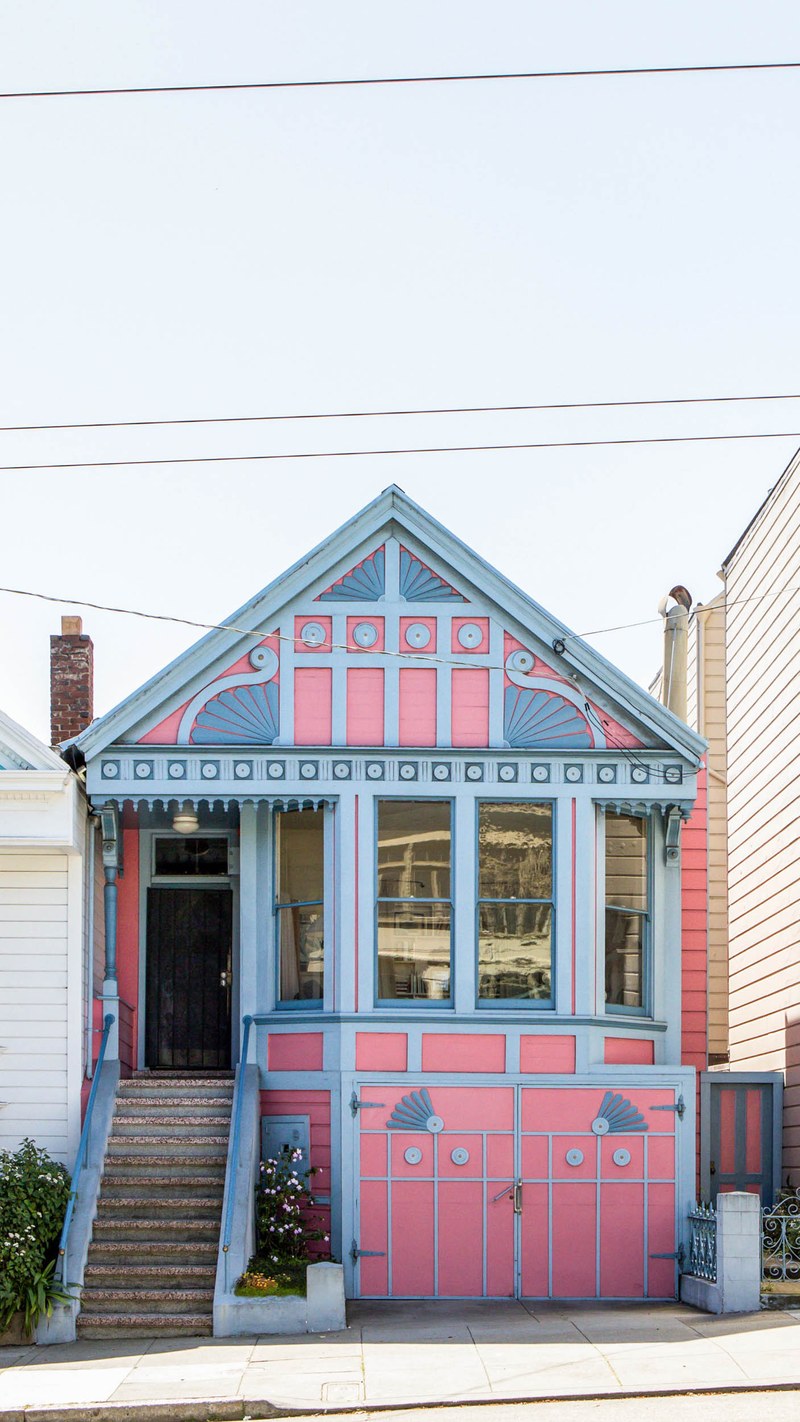
Some of the neighborhood’s original Edwardian, Victorian, and Italianate homes still stand.
Others have been replaced with three- or four-story apartment buildings.
The closer you are to Castro Street’s bar scene, the livelier and noiser it’s likely to be.
"There's great people watching day and night.” —Kay R., resident
Away from Castro Street, the neighborhood is mostly residential and relatively quiet.
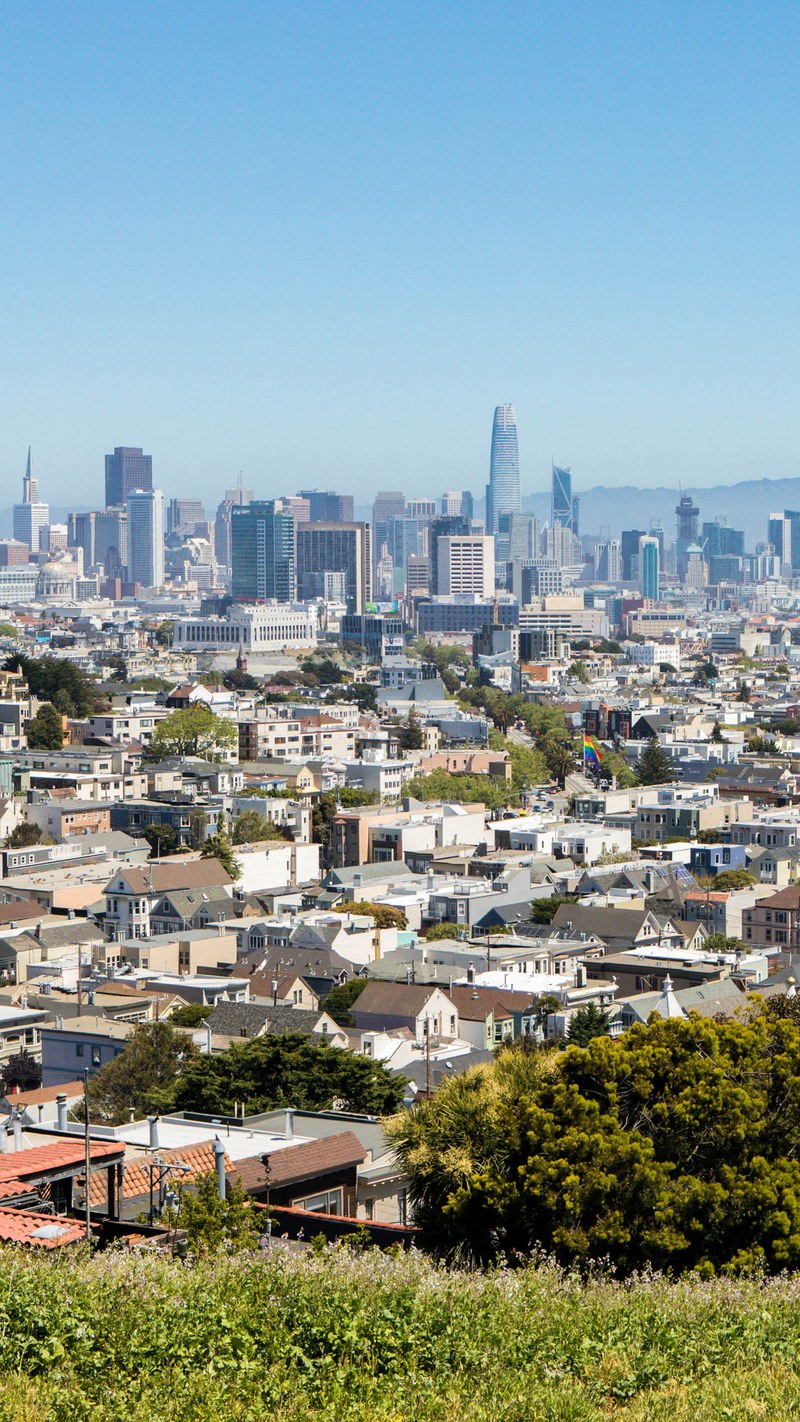
Many of the homes built on the neighborhood’s steep hillsides have city views.
“Dolores Park is a locals' favorite—scenic and happening and a great place with kids or without. The playground is incredible.” —Lisa T., resident
“It’s generally safe, with nice homes and apartments. And it's centrally located to get to any part of the city.” —Katherine R., resident
A home on Hartford Street, just a block from the hubbub of Castro.
“Easy public transportation is a big plus. Parking is a problem, so it's a good neighborhood if you're car-free.” —Lisa T., resident
“The antique F streetcars will take you downtown, although slowly.” —Clifton T., resident
A view of Sutro Tower from Kite Hill, a dog-friendly open space high above the Castro.
The Castro Theatre is a 1922 movie palace that screens new and old films, film festivals, and sing-along versions of musicals and kids’ movies.
Other lively neighborhoods like the Mission, Noe Valley, and Hayes Valley are all within easy walking distance.
A Pride flag flies over Harvey Milk Plaza, named for the Castro resident who became the first openly gay elected official in the country.