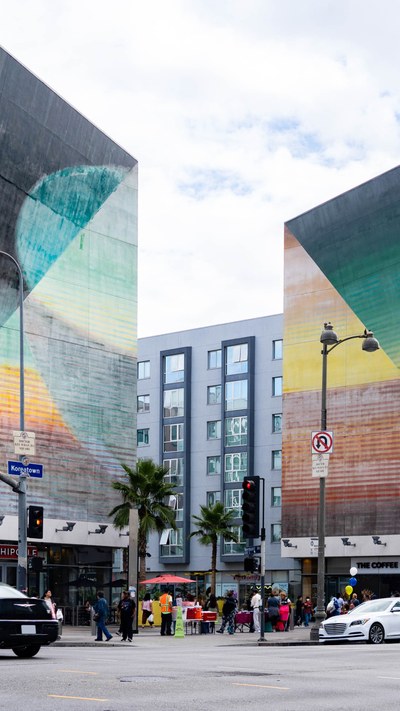
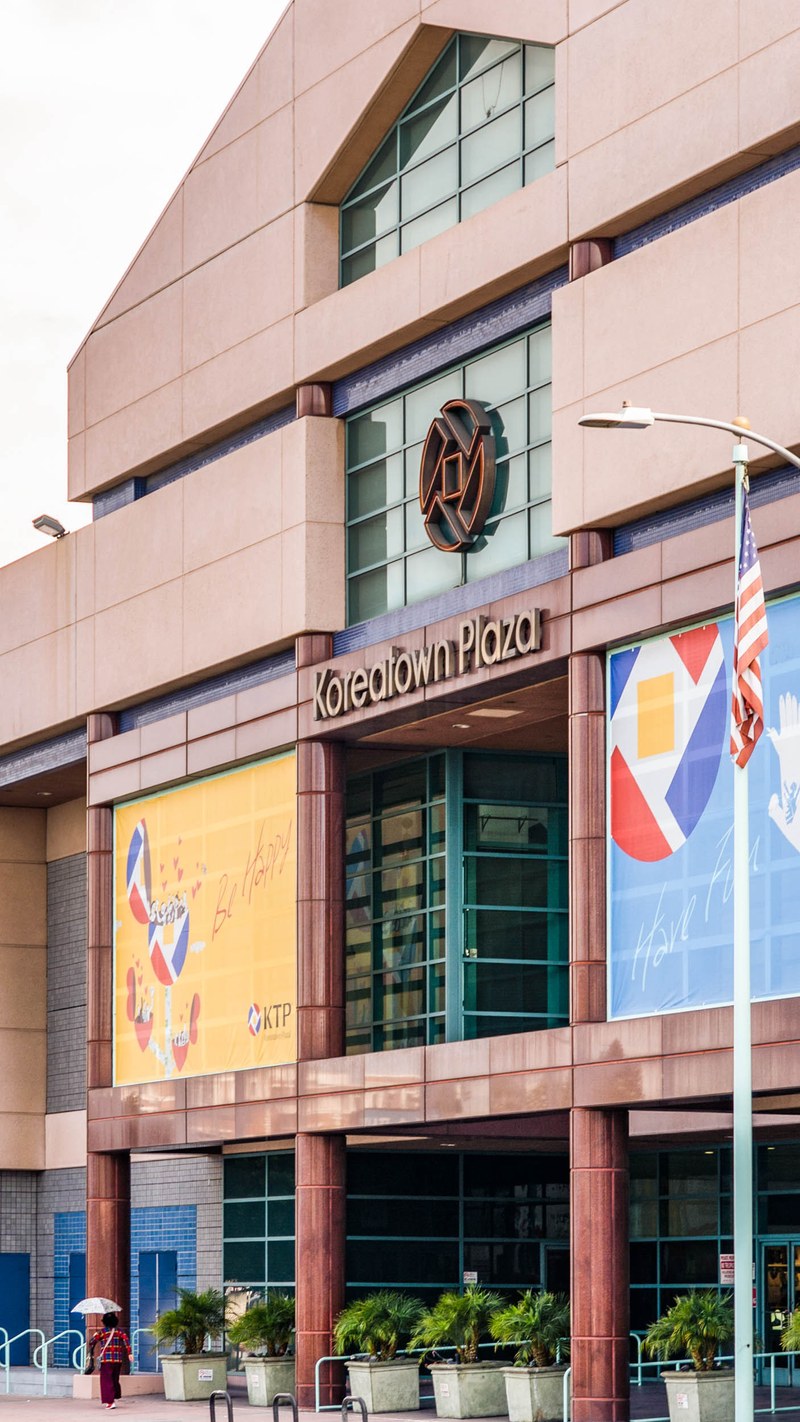
Koreatown, or K-Town as locals call it, is a dense urban neighborhood a couple miles west of downtown L.A.

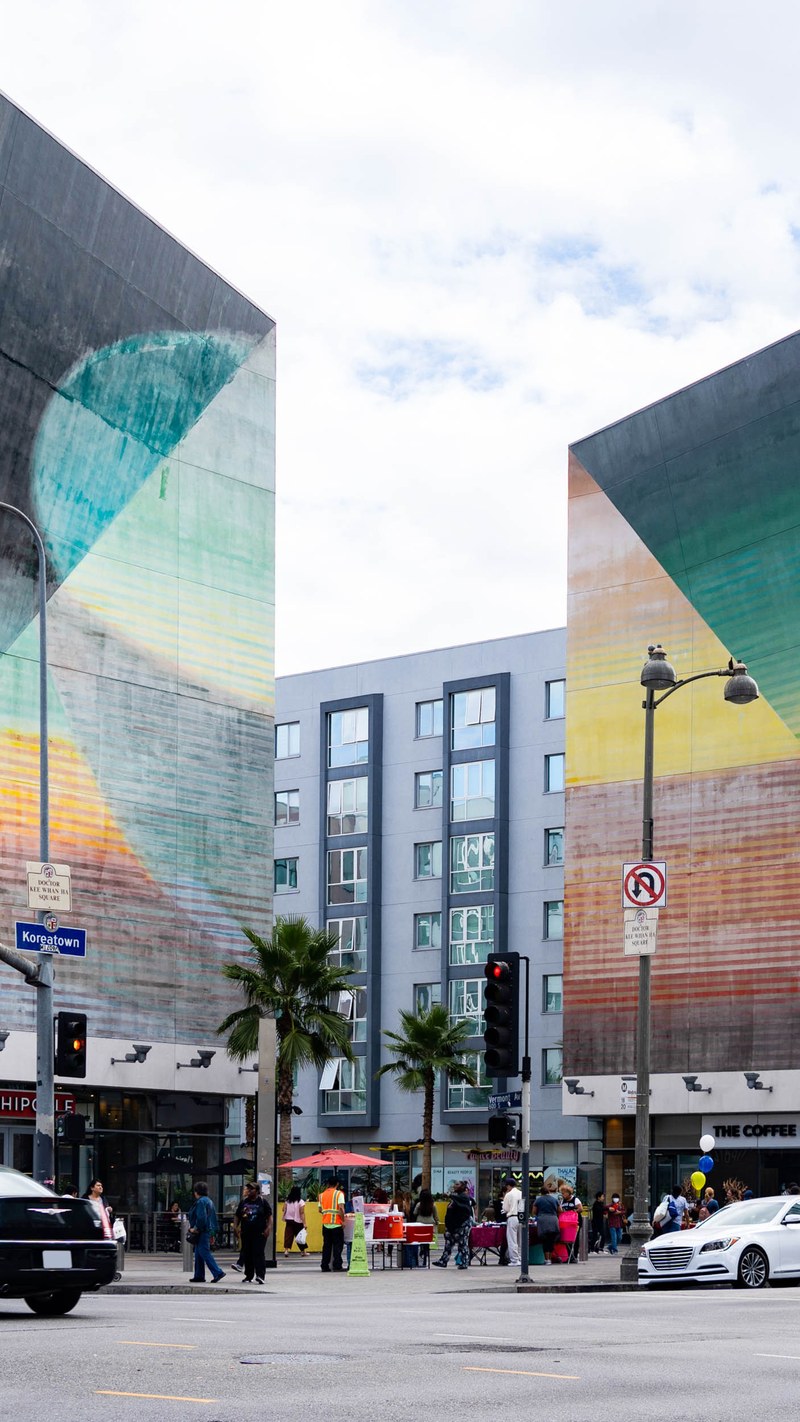
Part of the Mid-Wilshire district, it’s run through with wide, palm-lined boulevards.

In the 1920s and '30s this was a hotspot for Hollywood celebrities, and many of its Art Deco buildings still stand.

In the 1960s and '70s, the area's affordable rents attracted new immigrants from Korea.

In 1980, local businessmen convinced the city to re-designate the area as Koreatown.

Koreatown’s population actually includes more Latinos than Koreans, and a mix of Korean, Spanish, and English can often be heard.

“It's very diverse, and I like living in a central neighborhood that has everything.” —D.A., resident

K-Town has become a well-known destination for its diverse dining and 24/7 nightlife.

“I’ve been living here for three years, and I love the food. It's a great place to hang out.” —H.A., resident

Its cultural heritage is a point of pride, and a Korean American National Museum is in the works.

The arrival of the Metro’s Purple Line along Wilshire Boulevard has led to a burst of development in the neighborhood.

Over a dozen mixed-use projects are underway, with lots of new condos being added.

Many locals also still rent in historic apartment buildings.

In addition to the Metro’s Purple Line, locals can get around on a range of public bus lines.

“I can walk everywhere, and there's the bus and Metro close by. It's very convenient and safe.” —T.R., resident

There are hardly any parks here, but Seoul International Park does provide a local baseball diamond.

Office courtyards are more typical of this mixed-use area.

On the grounds of St. Mary’s Episcopal Church, locals grow veggies in the Yamazaki Memorial Community Garden.

“I can go hiking or to downtown in less than 30 minutes.” —D.A., resident

Take a deep dive and browse homes in Koreatown
Search Homes For Sale in Koreatown
Search Homes For Rent in Koreatown
Explore the Neighborhood