
Published: June 16, 2026 | Trulia Team
“Utilities included” means that the cost of certain utilities is built into your monthly rent, so you won’t receive separate bills for those services. In most cases, it covers water, sewer, and trash. Electricity, gas, and internet are usually still your responsibility unless the lease specifically says otherwise.
When you’re budgeting for an apartment and comparing listings side by side, “utilities included” can make one unit look cheaper than another. But it does not have a standard definition. It is important to understand the details of what is included and the trade-offs compared to paying for utilities yourself.
Key takeaways:
- “Utilities included” most commonly covers water, sewer, and trash. Electricity, gas, and internet are often still yours to pay.
- The phrase has no standard definition. You should look at the lease to confirm the details of what is included.
- Some leases have a utility cap, which means you are covered up to a set dollar amount per month and owe the difference if you go over.
- Bundled utilities can come with higher rent, so it helps to compare total monthly cost against a similar unit that does not include utilities to tell whether you are getting a good deal.
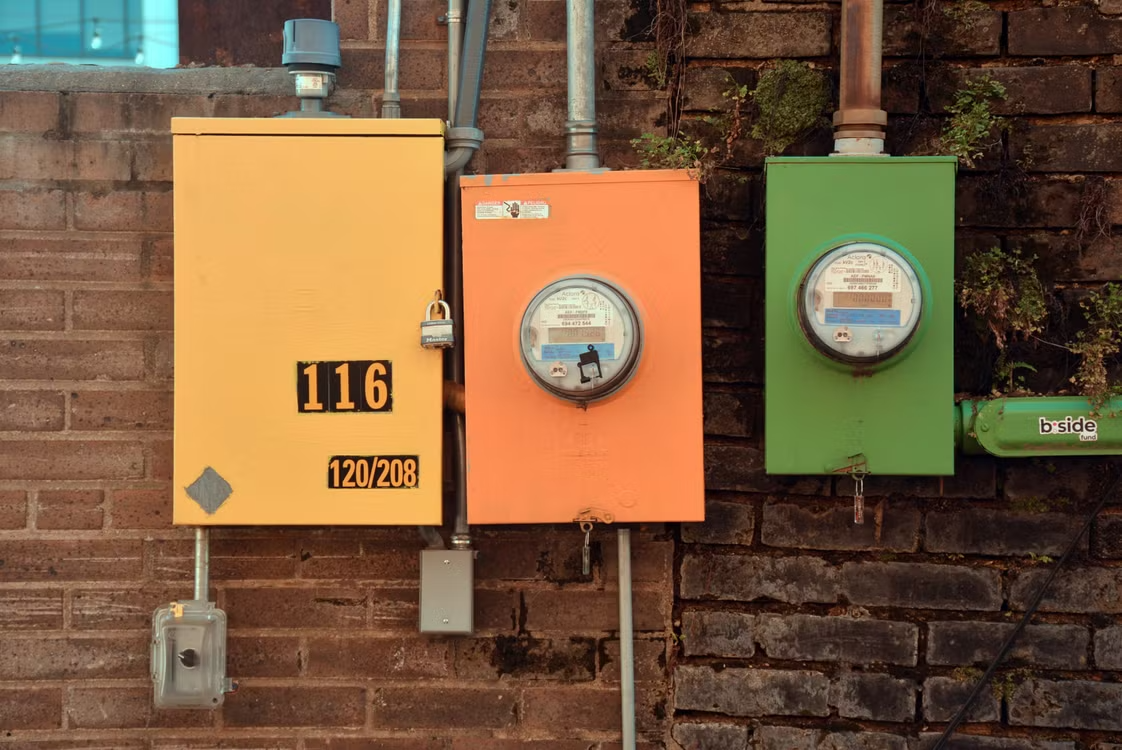
What utilities are typically covered?
The utilities a landlord folds into rent are often the ones tied to the building rather than how much any one person uses.
Water, sewer, and trash collection top that list, partly because they are harder to measure unit by unit (many apartments have a single water meter for the entire property) and the amounts stay fairly steady month to month.
Heating and hot water is also included in some buildings, particularly in the Northeast and Midwest where older complexes have shared heating systems. If you’ve lived in a building where the heat just comes on in October and shuts off in April, heat is very likely included in the rent. You get warmth and predictability, though not always the temperature you’d choose. Waking up at 3 a.m. with the radiator clanking and your bedroom feeling tropical is part of the package.
Gas can power heating and hot water as well as the stove. It is sometimes included, particularly in buildings with older, shared heating systems. However, it is also often billed separately, as costs rise significantly with usage.
Electricity is rarely covered, even on listings that say “utilities included.” Most apartments have their own electric meter, which means the utility company can bill you based on what you actually use. According to the U.S. Energy Information Administration, the average electricity bill was about $140 per month in 2024. That’s not a small expense to think through when budgeting.
Internet is rarely bundled into rent, even though it’s a flat monthly fee. Pay attention to whether a listing says internet is “included” or simply “available.” “Available” just means the building is wired and you can set up an account and pay for it yourself.
Is “utilities included” a good deal?
A unit with utilities included can have a higher base rent than a comparable unit where you pay utilities yourself. The question is whether that premium costs more than you’d spend on those utilities independently.
Start by figuring out which utilities are included in the unit you are interested in. Water, sewer, and trash alone could run over a hundred dollars per month if you paid them separately. The heating bill during the winter in colder climates can be over $200 per month.
Then you can compare similar listings. On Trulia, you can search for rentals with the same number of bedrooms and amenities in the same neighborhood. You can gauge whether the price of the unit with utilities included is more or less than the monthly all-in price of units without utilities included.
Say you find two one-bedrooms in the same area. One rents for $1,650 with water, sewer, trash, and heat included. The other rents for $1,500 with nothing included. If those utilities would cost you less than $150 per month on your own, unit with utilities included should be cheaper.
What are other benefits of “utilities included”?
A less obvious benefit of having utilities included in the rent is consistency. Your rent stays the same whether it’s a mild October or a freezing January. For anyone who’s been caught off guard by a winter gas bill that was triple what they expected, that steadiness is worth something.
Another benefit of having utilities included in the rent is that you can skip deposits and setup fees that come with opening accounts in your own name. Anyone who has spent a Friday afternoon on hold with the gas company, reciting a new address and waiting for a connection window, knows that skipping that errand has its own quiet value.
If you like the convenience of finding a home with utilities included, you can filter your search on Trulia for rentals with utilities included.
What are usage caps?
A utility cap means the landlord covers your utilities up to a certain dollar amount each month. If you stay under the cap, you pay nothing extra. But, if you go over the cap, you owe the difference. These clauses are easy to miss in the lease if you’re not looking for them.
During mild months, a cap might not matter. But imagine a July heat wave where your AC runs almost continuously. If your electricity is “included” with a $100 monthly cap and your actual usage hits $140, you’re paying $40 out of pocket that month. A cap isn’t necessarily bad but it is helpful to be realistic about the building and the climate. If there is a usage cap, you could ask the landlord:
- What is the cap amount?
- How is the overage calculated?
- Do current tenants typically stay within the limit?
- Does the cap apply to each utility separately or to a combined total?
If the cap seems low relative to the area’s weather, factor potential overages into your monthly budget.
What is shared billing?
Another arrangement that is worth understanding is RUBS, short for ratio utility billing system. Instead of metering your unit, the landlord takes the building’s total utility bill and divides it among tenants based on factors like square footage and the number of people in each unit. Your charge can still show up bundled with rent, which can make it feel like utilities are included, even though it is really a share of a group bill. Asking whether your bill is metered to your unit or split across the building tells you which situation you are in.
Figuring out the right option for you
Having utilities included in the rent is great for convenience and predictability but it may come at a premium. There are advantages and disadvantages to having utilities included in the rent. Taking the time to estimate your utility costs will help you budget and compare rentals more effectively.
Frequently asked questions
Internet is generally treated as a personal subscription, not a building utility. If a listing mentions internet, confirm whether “included” means that it is paid for or it is just “available” (meaning the building is wired and you set up your own account).
Usually not. Most units have individual electric meters, so the utility company bills you directly. When electricity is included, the listing will typically say so explicitly, and there may be a usage cap in the lease.
The base rent is often higher, as landlords build the cost of utilities into the rent. Whether your total monthly cost ends up higher depends on which utilities are covered and what they’d cost you separately. A side-by-side comparison with a similar unit in the same neighborhood is the clearest way to check.
If the rent is fixed and utilities are included, then you should not receive the cost increase. If there is a usage cap, you would pay the overage. At renewal, the landlord may raise rent to account for rising utility costs.
On Trulia, you can browse rental listings and read each listing’s details for how utilities are handled. You can also filter your search for homes with utilities included in the rent. Setting up a saved search with listing alerts means new matches show up in your inbox as they’re posted.